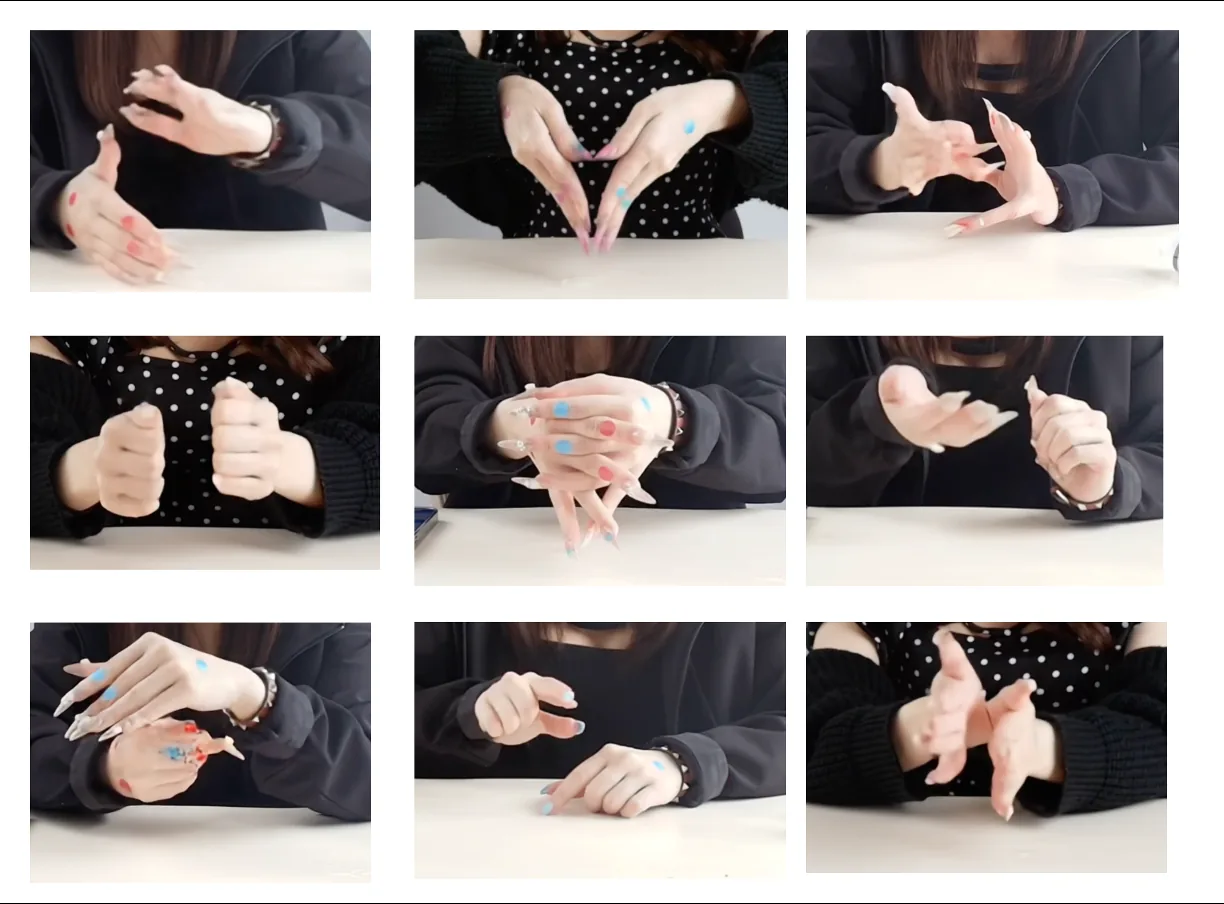
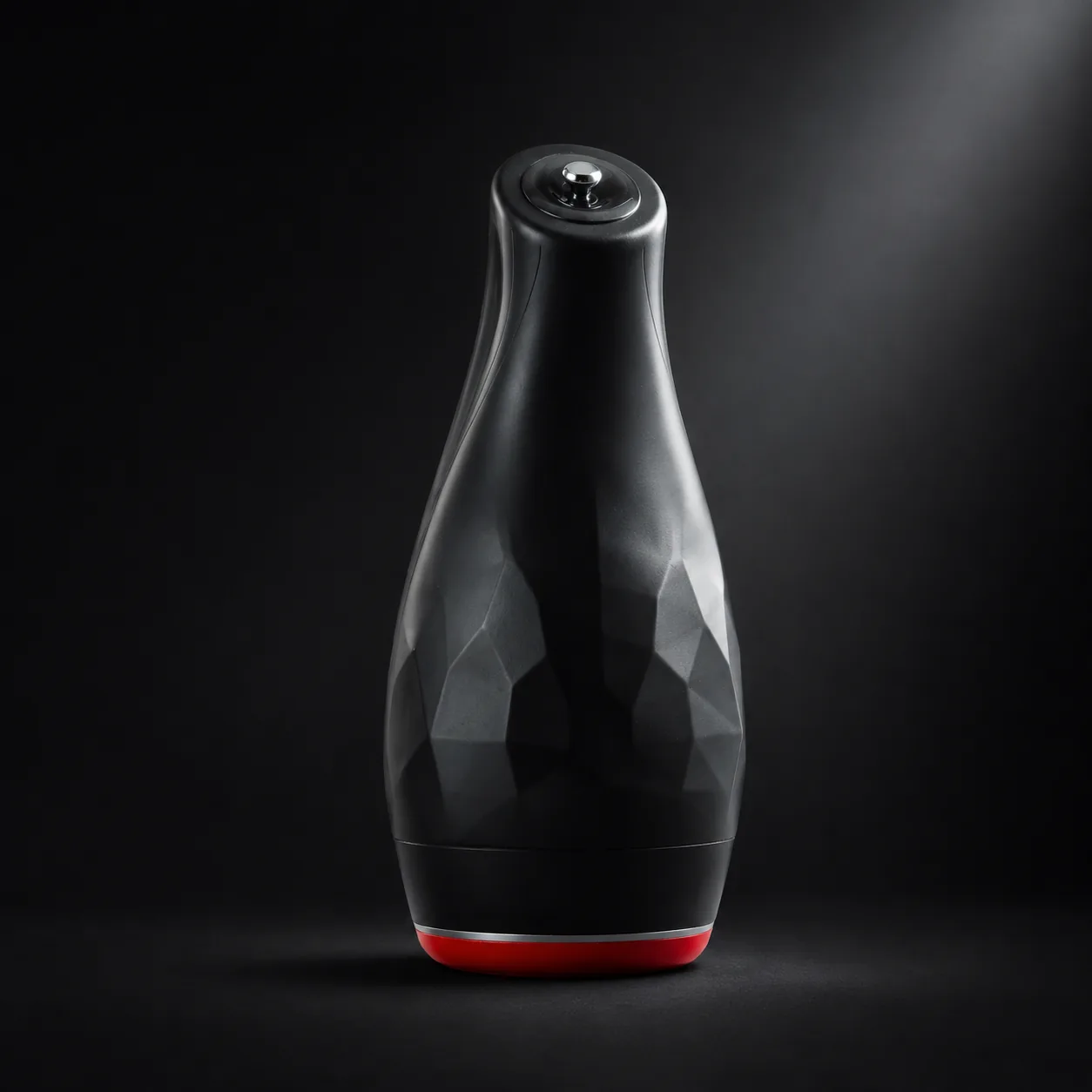
An exchange with a Japan-based massage and rehabilitation team led us to study how human movement changes in rhythm, pace, and progression. That question became the starting point for Pulsar's Motion Intelligence.
The aim was to move beyond a short list of repeating presets, toward movement that can respond to the moment.
02 / Motion research
Learning the rhythm, not looping a pattern.
Our team recorded more than 50 hours of human technique video and analyzed over 40 technique archetypes. Motion analysis turns representative movements into reusable Motion Signatures; AI choreography can then arrange and adapt them into a session.
Human movementMotion SignaturesAdaptive choreography
Inside the motion researchRecorded techniques → motion curves → Motion SignaturesView fullscreen to see the curves clearly
03 / Adaptive AI Learning
The challenge was never just motion.
It was making every moment feel right for you.
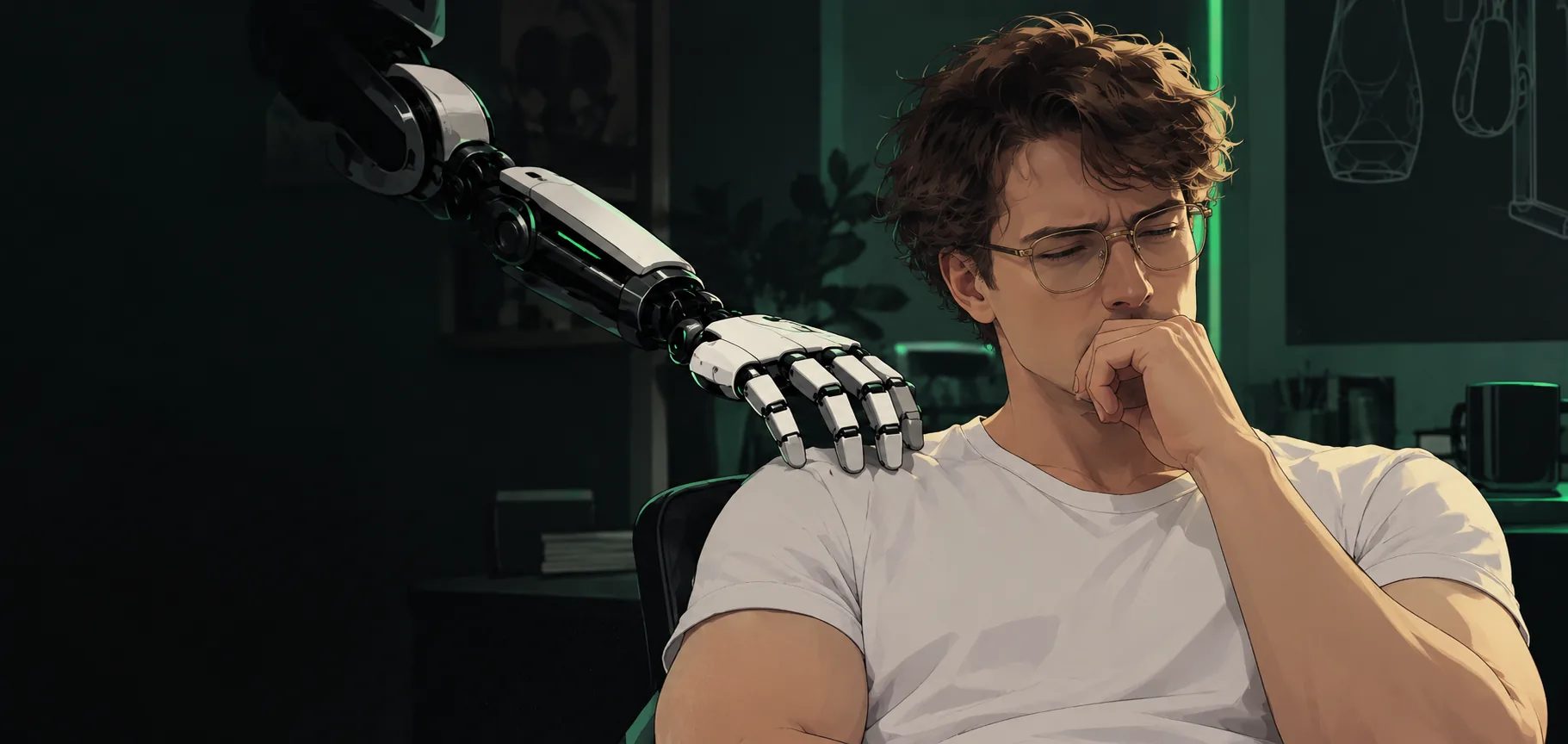
No two people respond the same way. AI voice commands and conversation can adapt the rhythm as an interaction unfolds. Pulsar also learns from the preferences you choose to share, so future sessions can feel more personal over time.
Personalization works only when you understand what information is involved. Here is what our current product policies say about AI features and live sessions.
01 / AI features
When used, AI features may process your inputs, preferences, interaction history, and selected settings. Some features may use trusted third-party AI providers.
02 / Live sessions
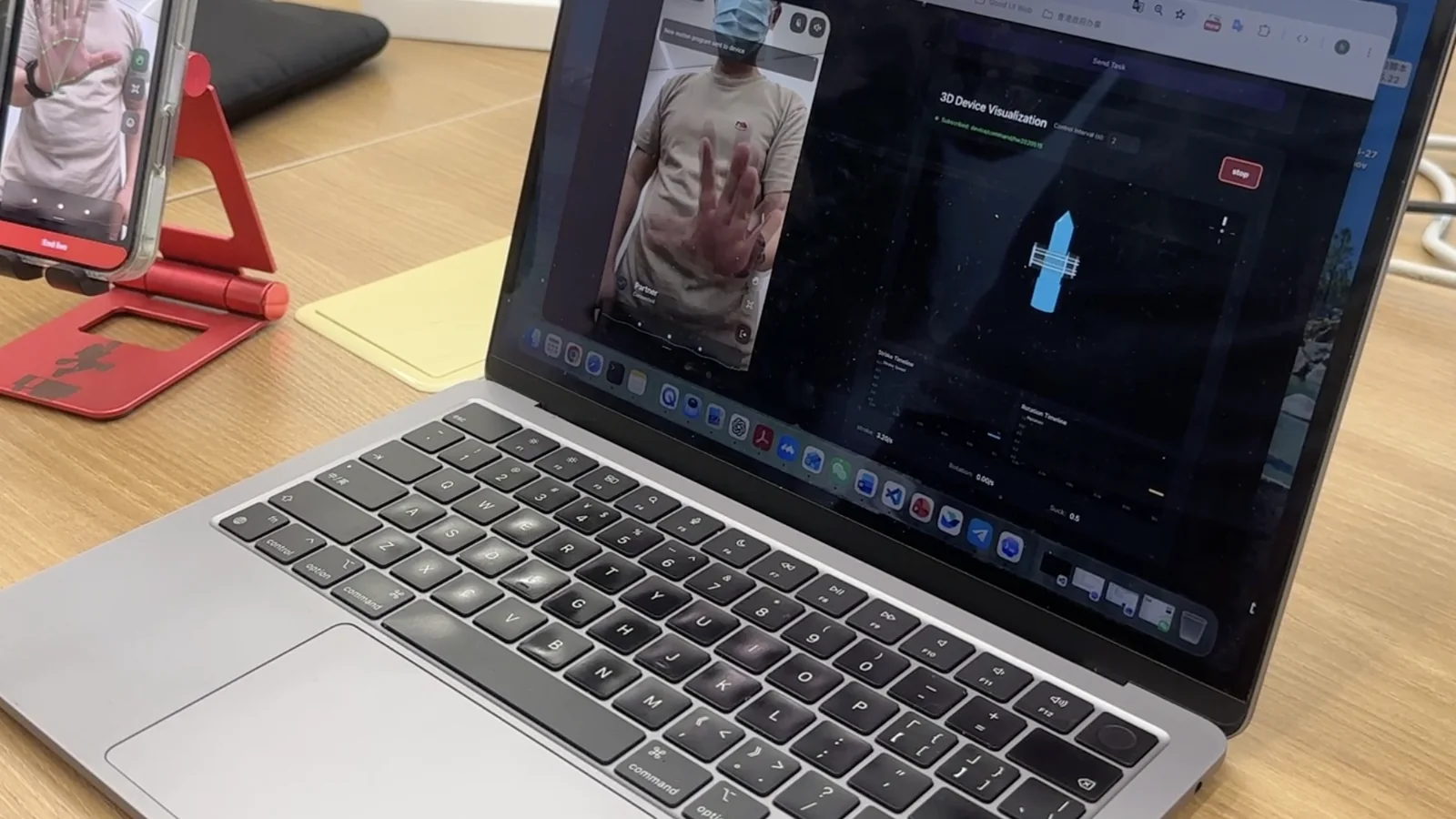
Live Sync transmits information needed for the session. Live video is not recorded or stored by Pulsar by default.
03 / Your data
Personal conversations and interaction content are not used to train public AI models unless explicitly stated otherwise. You can contact us with privacy or data requests.
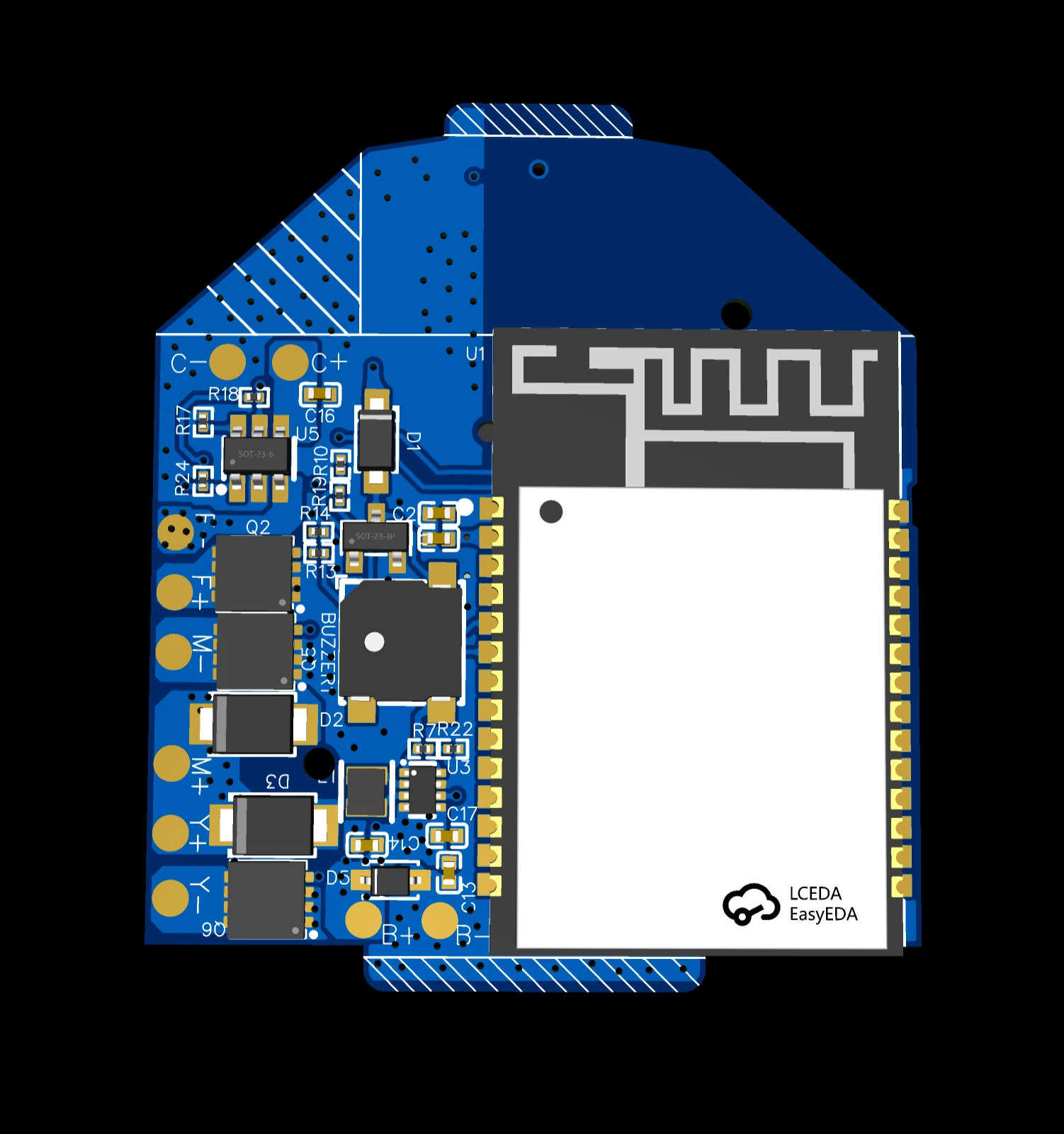
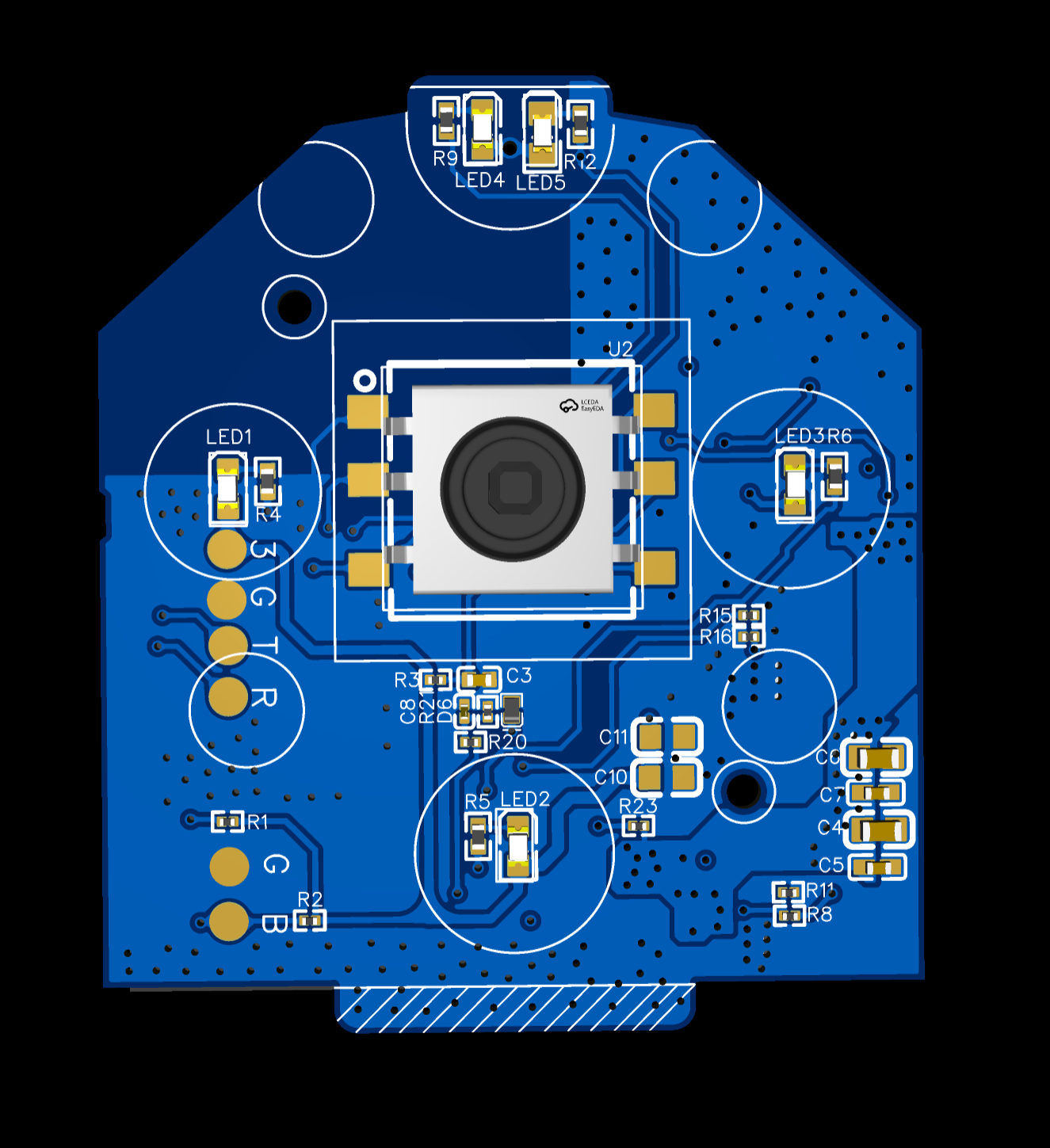
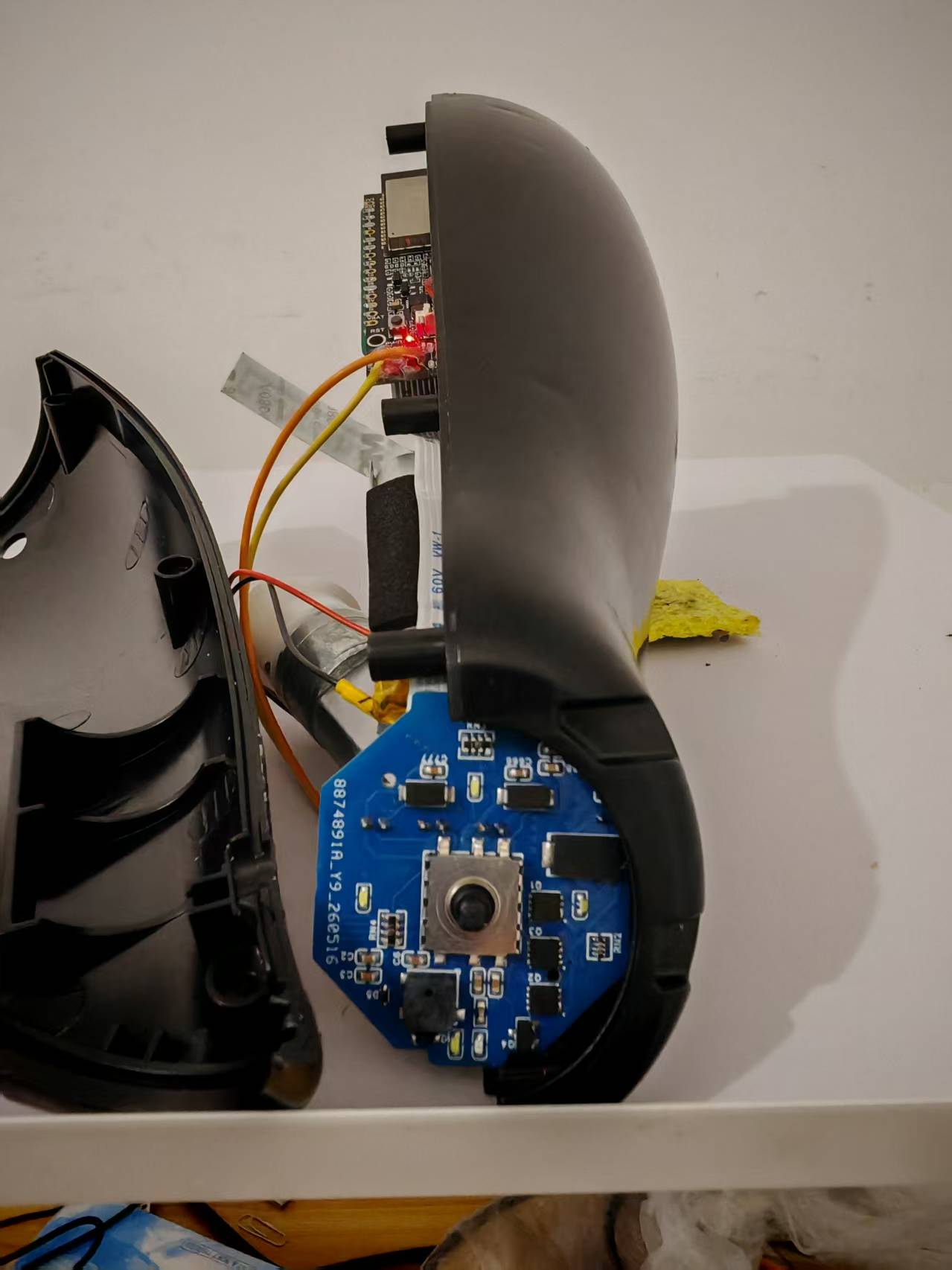
Coordinating complex movement with AI interaction, video, and live connection shaped a different engineering brief. We developed a compact control board around the ESP32-C5 to drive multiple motors and a heating element while handling on-device computation and connectivity.
Component side
Joystick side
01 One control board, shown from both sides02 The new board installed in the device
05 / Into the real world
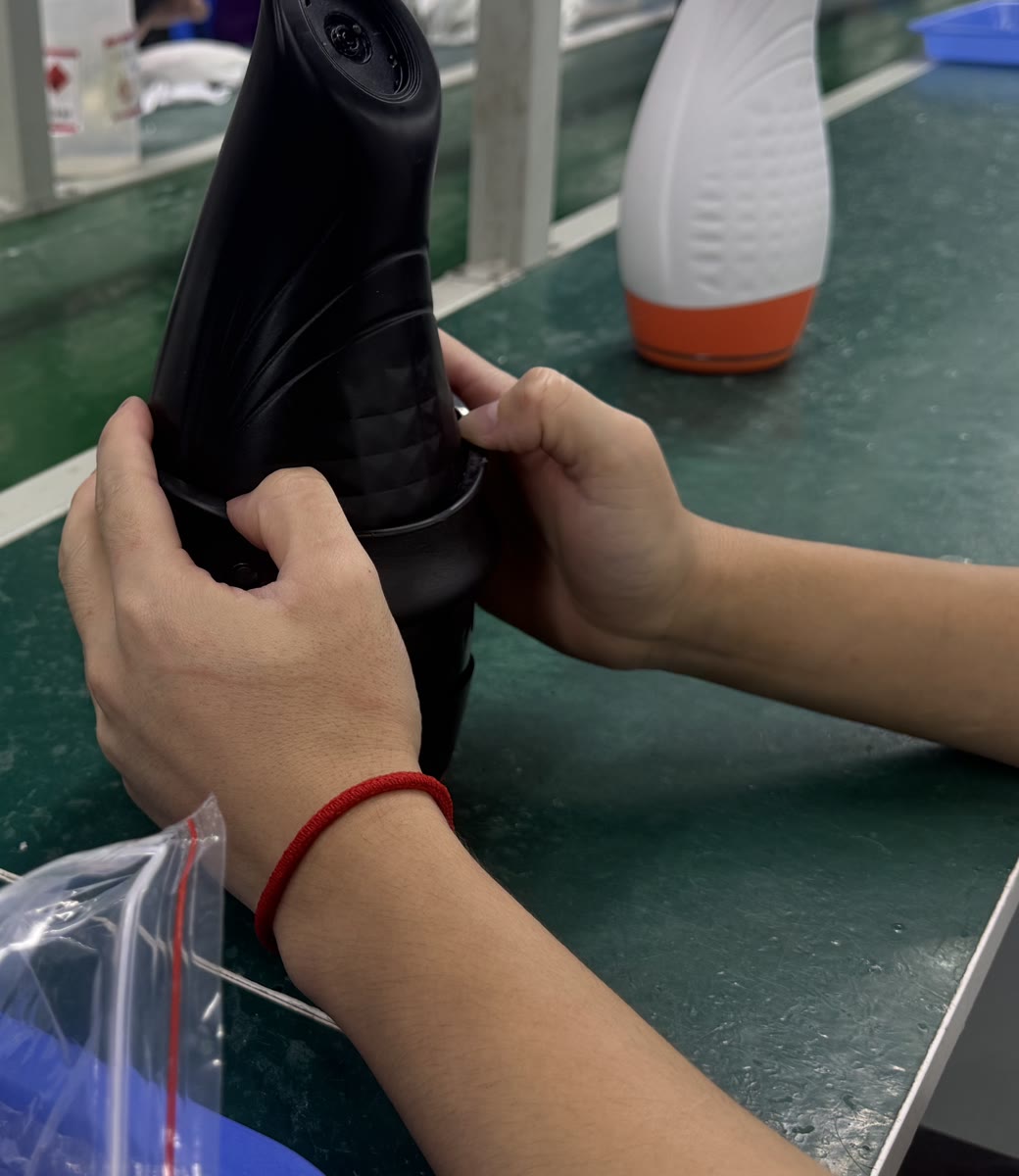
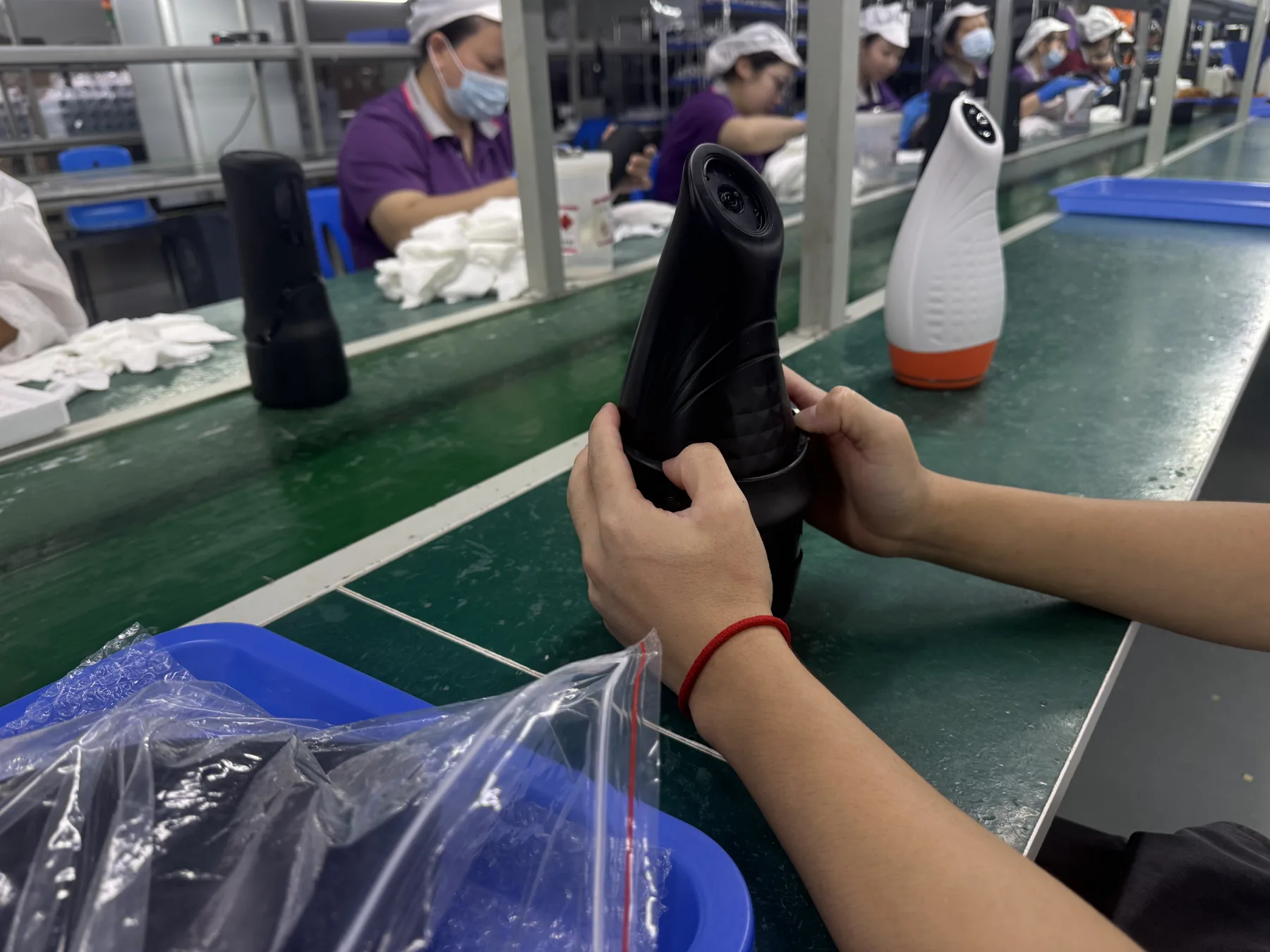
Small-batch assembly line, July 2026
Built in small batches. Tested in the real world.
In July 2026, Pulsar F1 moved into small-batch production and testing. These early builds helped us refine the hardware and software together ahead of our Kickstarter campaign.
06 / Behind PulsarFounder-led development
Wade Huang Founder & Product Lead
Founder-led, built across disciplines.
Wade is a computer science graduate with more than a decade of product and engineering experience at large-scale internet and AI companies. He spent nine years leading product R&D at a Hong Kong-listed AI company known for computer vision and generative AI.
At Pulsar, he leads Motion Intelligence, AI interaction, custom electronics, software-hardware integration, and pilot production.
“I founded Pulsar because intimate technology should respond to the person—not ask the person to adapt to the machine.”
Our wider team brings more than ten years of experience across machine vision, AI research, materials science, integrated circuit development, and healthcare brand building—so movement, electronics, materials, and experience can be developed as one product.
Where we areLaunch and beyond
What launches. What comes next.
We want to be clear about the experience we are bringing to launch and the ideas we plan to develop through future updates and hardware work.
Available at launch
Motion Intelligence; AI voice commands and conversation with adaptive rhythm choreography and preference learning; video sync, including custom Funscript files; video-call and VR synchronization.
Planned after launch
Generative characters and video, pressure sensing, and new outputs such as intelligent suction and compression.
What comes next
The story keeps moving.
Pulsar F1 is now live on Kickstarter. Software and cloud updates will help the experience grow after launch.
We use essential cookies and similar technologies to keep this site working. With your permission, optional cookies help us understand visits and measure advertising results. Website Privacy Policy